


- 925 sterling silver and surgical-grade stainless steel are the two most tarnish-resistant, nickel-free options for daily wear.
- Costume/fashion alloy jewelry (often nickel or brass under a thin flash coating) is the most common cause of everyday skin irritation.
- The 2:1:1 rule is a jewelry-balance guideline (two statement pieces, one medium, one small) — for necklace layering specifically, spacing chains a couple of inches apart in length is the practical way to apply it so pieces stay visible instead of tangling.
- Everyday staples are small and low-maintenance: stud or huggie earrings, one dainty pendant, and thin stacking rings or bangles.
- Gen Z's everyday rotation leans mixed metals, coin pendants, and huggie hoops over single statement pieces.
- Taking rings and bracelets off before swimming, showering, or the gym is the single biggest thing that extends how long any metal lasts.
Most "best jewelry" roundups compare brands. That's the wrong question if what you actually want to know is what survives being worn nonstop — through showers, gym sessions, sweat, lotion, and sleep — without leaving a green ring on your finger or a rash on your earlobe. The material matters more than the brand, and the difference between a piece that lasts five years and one that's tarnished by month three usually comes down to two things: what the base metal actually is, and whether it's plated or solid. Here's how to tell the two apart, plus the specific pieces worth building a daily rotation around in 2026.
What Makes Jewelry Actually Wearable Every Day?
Everyday-ready jewelry comes down to three traits: a tarnish-resistant base metal, a nickel-free (hypoallergenic) finish, and a low-profile design you can genuinely forget you're wearing. Anything that needs to come off for showers, workouts, or sleep — thin gold flash-plating over brass, glued-in stones, delicate clasps — quietly turns into jewelry you wear twice and then leave in a drawer. The pieces that survive years of daily use are almost always solid metal (not hollow or filled), plated with a real thickness of gold rather than a flash coat, and simple enough in shape that they don't snag on clothing or hair.
Which Jewellery Is Best for Daily Wear?
925 sterling silver and surgical-grade (316L) stainless steel are best for daily wear because both resist tarnish and skin reactions far better than costume alloys, at a fraction of solid gold's price. Gold vermeil (sterling silver with a thick gold layer) and solid 14K–18K gold sit above that in longevity but cost more; unplated costume jewelry sits well below it and is the most common source of everyday earlobe and finger irritation.

| Material | Everyday durability | Skin-safe? | Typical price |
|---|---|---|---|
| 925 sterling silver + 18K gold plating (AJLuxe) | High — solid base, won't crack or flake | Yes, nickel-free/hypoallergenic | $24.99–$79.99 |
| Surgical stainless steel | Very high, scratch- and tarnish-resistant | Yes, typically nickel-free | Budget-friendly |
| Gold vermeil | High, thicker plating than standard gold-plate | Yes, if nickel-free base | Mid-range |
| Solid 14K–18K gold | Highest, never plates off | Yes | Premium |
| Costume/fashion alloy | Low, flash coating wears off in weeks-to-months | Often no — common nickel content | Lowest |
What Jewellery Do You Wear Every Day?
The everyday rotation that actually gets worn daily is small, low-profile, and metal-consistent: stud or huggie hoop earrings, one dainty pendant necklace, and a couple of thin stacking rings or a slim bangle. Anything larger or more delicate tends to get reserved for going out rather than worn to sleep, shower, or work out in — which is exactly the use case "everyday jewelry" needs to survive. Huggie hoops like AJLuxe's Gold Hoop Earrings ($31.99) are a good baseline example: sterling silver base, 18K gold plating, small enough to sleep in without catching on a pillow.

What Is the 2:1:1 Rule in Jewelry?
The 2:1:1 rule is a jewelry-styling guideline for visual balance: wear two statement or bold pieces, one medium piece, and one small piece, so a look reads as intentional rather than cluttered. Applied to everyday necklace layering, that usually means picking one shorter/bolder piece, one mid-length piece, and one longer, more delicate chain rather than three necklaces that compete for attention equally — and spacing them a couple of inches apart in length (for example, roughly a 14–16 inch piece, an 18 inch piece, and a 20–22 inch piece) so they stay visually distinct instead of crossing and knotting.
What Jewelry Is Gen Z Wearing?
Gen Z's everyday jewelry leans toward mixed metals, coin and initial pendants, huggie hoops, and stacked minimalist rings worn in combination rather than one statement piece. The shift away from matchy-matchy sets mirrors a broader move toward personalization — layering a few small, meaningful pieces (an initial, a birthstone, a symbol) instead of a single obviously "dressy" item. That trend also favors hypoallergenic, budget-friendly metals like sterling silver and stainless steel over solid gold, since the appeal is wearing several pieces at once rather than investing heavily in one.
How to Keep Everyday Jewelry From Tarnishing or Irritating Your Skin
The single biggest thing you can do is take rings, bracelets, and necklaces off before water, sweat, or product exposure — showering, swimming, the gym, and applying lotion or perfume are what actually cause tarnish and buildup, not just "time." Beyond that: store pieces in a dry pouch or box rather than a bathroom dish, wipe metal with a soft cloth after wear, and if a spot on your skin turns red or itchy, stop wearing that specific piece and check whether it's actually nickel-free rather than assuming all metal reacts the same way. Sterling silver and stainless steel are both nickel-free by nature, which is why they're the two materials dermatology-minded shoppers gravitate toward for daily wear.
Where these comparisons come from: forums like Reddit's jewelry communities and fashion outlets like Vogue are useful for reading real day-to-day wear reports and current styling trends — they're research reading, not places to buy from.
Which Everyday Piece Should You Buy First?
Start with earrings — they're worn the most consistently of any jewelry category and are the easiest to get wrong with cheap metal, since earlobes are one of the most reaction-prone spots on the body. AJLuxe's Gold Hoop Earrings ($31.99) are 925 sterling silver with 18K gold plating and built hypoallergenic from the base metal up, not just coated over something that reacts underneath — the kind of piece you put on once and don't think about again. From there, add one dainty pendant necklace and a couple of thin stacking rings in the same metal tone so nothing clashes when you inevitably layer them. Every AJLuxe piece ships gift-ready at no extra charge and is backed by the same sterling-silver-plus-18K-gold-plating construction across 40,000+ customers, so building a full everyday set in one metal family is straightforward.

Frequently Asked Questions
What is the 2:1:1 rule in jewelry?
It's a jewelry-balance guideline: two statement pieces, one medium piece, and one small piece, so a look stays intentional instead of overdone. For everyday necklace layering, that translates to one bolder piece, one mid-length piece, and one longer delicate chain, spaced a couple of inches apart in length so each stays visible instead of tangling.
Which jewellery is best for daily wear?
925 sterling silver and surgical-grade stainless steel are best for daily wear because they resist tarnish and skin reactions far better than costume alloys while costing much less than solid gold.
What jewellery do you wear every day?
Most people's everyday rotation is small studs or huggie hoops, one dainty pendant necklace, and a couple of thin stacking rings or a slim bangle — low-profile pieces that don't need to come off for sleep or work.
What jewelry is Gen Z wearing?
Gen Z favors mixed metals, coin and initial pendants, huggie hoops, and stacked minimalist rings worn in combination, leaning toward hypoallergenic, budget-friendly metals over single statement pieces in solid gold.
Is sterling silver good for everyday jewelry?
Yes — 925 sterling silver is a solid, nickel-free base metal that holds up well to daily wear, and when it's plated with 18K gold it adds a gold finish without the cost or fragility of thin costume gold-plate.
How much should you budget for everyday jewelry?
A durable, hypoallergenic piece in sterling silver with real gold plating typically runs $25–$80, which is enough to get solid construction without paying solid-gold prices for something you're wearing daily rather than saving for special occasions.
Alle Marken, Markennamen und Produktnamen Dritter sind Eigentum ihrer jeweiligen Inhaber. AJLuxe steht in keiner Verbindung zu den in diesem Artikel genannten Marken Dritter und wird von diesen weder unterstützt noch gesponsert. Markennamen werden ausschließlich zur sachlichen vergleichenden Bezugnahme verwendet; Materialangaben entsprechen den eigenen veröffentlichten Produktangaben der jeweiligen Marke zum Zeitpunkt der Erstellung.
You Might Also Like

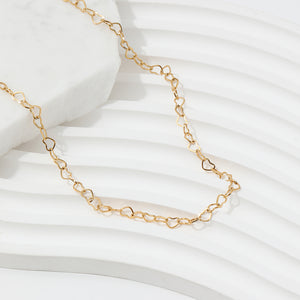
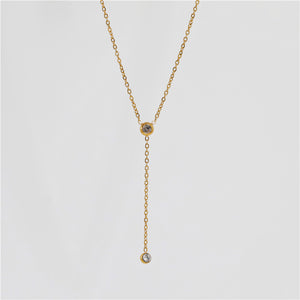
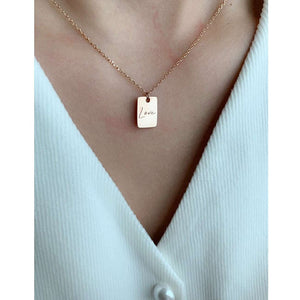

The piece they're describing → Goldcreolen für Damen — 925er Sterlingsilber, 18 Karat vergoldet, hypoallergen
Personalize Yours


